
What to Do After a Car Accident That Wasn’t Your Fault: The Practical Claims Guide
Knowing what to do after a car accident not your…
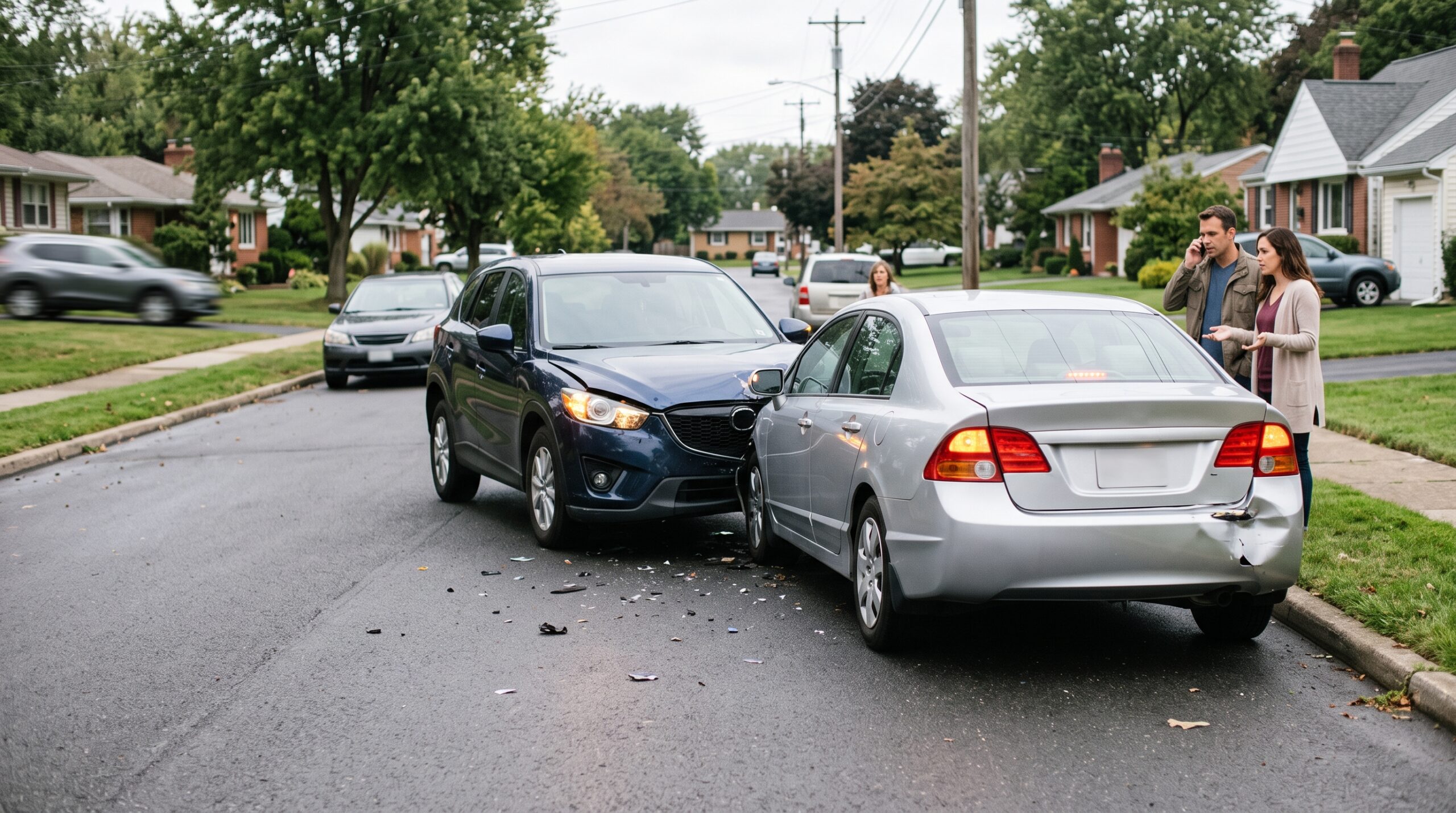
Table of Contents
Knowing what to do after a car accident not your fault is critical to protecting your physical safety and securing full financial compensation for your vehicle repairs, medical bills, and diminished value.
The at-fault driver’s insurance adjuster is not your representative. Their legal duty is to their company’s bottom line: closing claims quickly, keeping indemnity payouts low, and assigning you a percentage of fault whenever possible.
Immediate On-Scene Checklist
- Call 911 immediately. Never settle for a verbal handshake or cash offer. You need an official police crash report to prove liability.
- Never apologize or volunteer “I’m fine.” Adrenaline masks cervical and soft-tissue trauma. Adjusters use casual on-scene statements as evidence of zero injury and shared fault.
- Photograph the untouched scene. Capture wide angles of all vehicles before they are moved, skid marks, traffic signals, road signs, and paint transfer.
- Decline recorded interviews. You have no legal obligation to give a recorded statement to the other driver’s insurance adjuster.
- See a doctor within 24 to 72 hours. Any unexplained gap in medical care gives the insurer direct grounds to dispute bodily injury causation.
1. Immediate On-Scene Protocol
Secure the Police Crash Report
Never let an at-fault driver talk you out of calling the police. Drivers who apologize at the scene routinely change their story once they consult their family, a repair shop, or their insurance company.
Most state vehicle codes require reporting an accident that causes bodily injury or property damage exceeding statutory minimums (typically $500 to $1,000 depending on the state).
When law enforcement arrives:
- Recount the events chronologically and factually.
- State only what you observed through your own senses. Never estimate your exact speed, distance in feet, or time in seconds unless you are certain.
- Secure the officer’s name, badge number, and the Police CAD / Incident Number (usually written on an exchange slip). You will need this number to order the official crash report (Form MV-104, SR-1, or local equivalent) once finalized.
Capture Physical Evidence Before Moving Vehicles

State “Steer It, Clear It” laws may require clearing drivable vehicles from active travel lanes to keep traffic flowing safely. If vehicles must be moved immediately, take quick perimeter photos first if you can do so safely.
Ensure you document:
- The wider geography: Positions of both cars relative to intersection lines, median strips, yield signs, or obscured sightlines.
- Impact zones: Deep scrapes, bumper indentations, paint transfer, shattered glass, and broken tie rods or wheels.
- Road conditions: Potholes, construction cones, standing water, and road skid lengths.
- Neutral witnesses: Names and direct phone numbers of pedestrians or drivers behind you who saw the crash. Independent witness testimony routinely breaks “he-said, she-said” liability deadlocks.
- Driver credentials: Driver’s license number, full legal name, registered vehicle owner, insurance company name, policy number, and license plate.
The “Zero-Admission” Rule
In polite conversation, people instinctively say “I’m sorry” or “I didn’t see where you came from.” In an auto insurance claims file, an adjuster logs those exact phrases as admissions of shared negligence.
Never discuss fault with the other driver. Do not minimize your condition by saying, “Don’t worry, I’m okay.”
Adrenaline suppresses pain receptors. Soft-tissue sprains, cervical tears, concussions, and lumbar disc herniations routinely take 24 to 48 hours to produce inflammation and severe pain. If your initial statement on the police exchange slip reads “no injuries reported,” the opposing insurer will use that notation to deny injury claims filed days later.
2. Choosing Your Route: First-Party vs. Third-Party Claim
When you are not at fault, you have two options for filing vehicle repairs and property damage claims.
Option A: Third-Party Claim (Through the At-Fault Driver’s Insurer)
A third-party claim is filed directly with the at-fault driver’s carrier under their Property Damage Liability (PDL) policy.
- Upfront cost: $0. You do not pay an insurance deductible.
- Rental vehicle: The at-fault insurer must provide a comparable rental vehicle for the entire reasonable repair duration.
- The friction: Third-party adjusters move on their own schedule. They will not authorize teardowns or issue rental reservations until they contact their policyholder, inspect the scene, and formally accept liability. If their insured fails to answer phone calls, your repairs stall indefinitely.
Option B: First-Party Collision Claim (Through Your Own Policy) & Subrogation
A first-party claim uses the optional Collision coverage on your personal policy.
If the adverse insurer is delaying, contesting liability, or if their policyholder is dodging their adjuster’s calls, your own carrier can handle the repair work immediately.
- The upfront cost: You must pay your chosen collision deductible ($500 or $1,000) directly to the body shop upon vehicle completion.
- Subrogation recovery: Once your insurer pays the repair facility, its legal department initiates subrogation against the at-fault carrier. Following National Association of Insurance Commissioners (NAIC) model standards, your carrier will pursue the opposing insurer for the repair total plus your out-of-pocket deductible. When the case clears, your deductible is refunded to you.
- Learn more about how this recovery process works in our comprehensive guide on how auto insurance subrogation works.
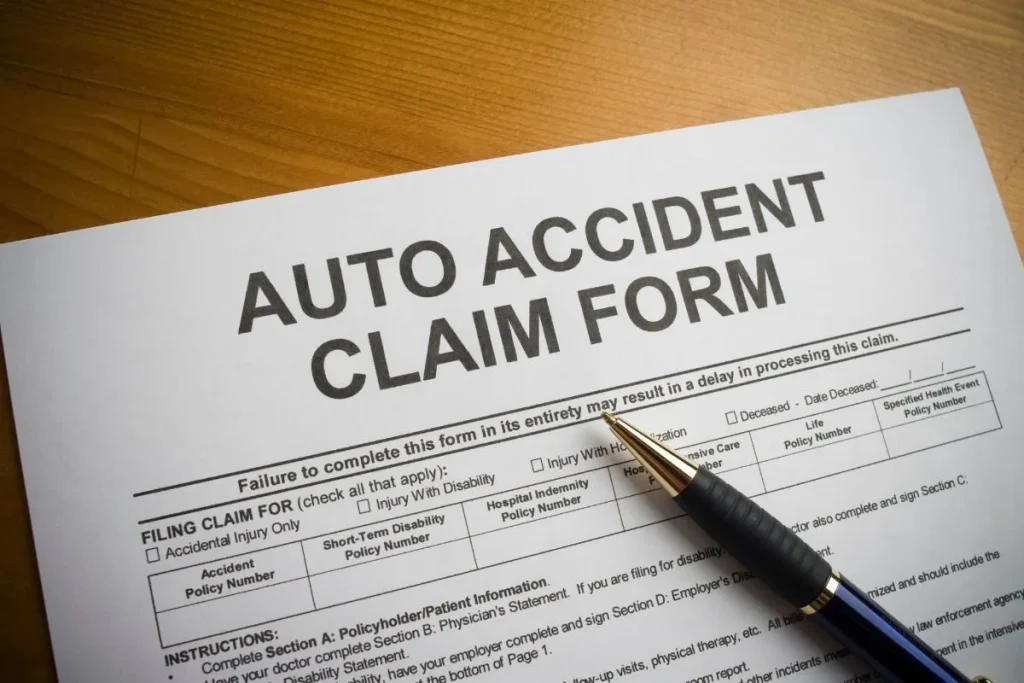
| Claim Feature | Third-Party Claim (At-Fault Insurer) | First-Party Claim (Your Own Insurer) |
| Upfront Deductible | None ($0 out of pocket) | Paid upfront; recovered later via subrogation |
| Repair Authorization Speed | Slower; waits for internal liability acceptance | Immediate; governed by your own policy contract |
| Rental Car Terms | Paid directly by the adverse insurer | Covered only if you carry optional Rental Reimbursement |
| Risk of Delay | High if the other driver dodges adjuster calls | Minimal; your insurer handles repairs right away |
3. State Fault Systems and Negligence Doctrines
Your geographic location directly controls which insurance policy pays for medical treatment and whether partial fault bars you from financial recovery.
No-Fault (PIP) States vs. Tort Jurisdictions
- No-Fault / PIP States (e.g., FL, NY, NJ, MI, MA): In these states, your personal Personal Injury Protection (PIP) coverage pays your initial medical bills and lost wages up to statutory policy minimums, regardless of who caused the crash. However, PIP does not cover vehicle property damage. Vehicle damage remains an at-fault tort claim against the liable driver.
- Traditional Tort / At-Fault States: The at-fault driver’s Bodily Injury (BI) liability coverage is responsible for medical expenses, lost wages, and pain and suffering. These damages are paid in a lump-sum settlement once treatment concludes.
How State Negligence Laws Affect Payouts
When an adjuster claims you share responsibility (e.g., alleging you were driving slightly above the limit through an intersection), they are attempting to exploit state negligence statutes:
- Pure Comparative Fault (e.g., CA, WA, FL): You can recover damages even if you share fault, but your check is reduced by your fault percentage (e.g., 10% fault on a $10,000 repair drops your payout to $9,000).
- Modified Comparative Negligence (50% or 51% Bar Rule – used in most US states): You can recover damages as long as your assigned liability does not meet or exceed 50% or 51% (e.g., Texas CPRC Chapter 33). If an adjuster successfully assigns you 51% liability, your recovery is completely barred.
- Pure Contributory Negligence (AL, MD, NC, VA, DC): If you are found to have contributed even 1% of fault to the collision, you cannot recover a single dollar from the other driver.
4. Dealing with the At-Fault Insurer: Traps to Avoid
Refuse the Recorded Statement
Within 48 hours of filing, the other driver’s adjuster will call you asking for a recorded interview to “complete the claim investigation.”
You have a contractual obligation to cooperate with your own insurance carrier. You have zero statutory or contractual duty to give a recorded statement to a third-party adjuster.
Adjusters are trained to ask open-ended or leading questions to construct shared fault:
- “Were you running late this morning?”
- “When did you first notice our insured’s vehicle?”
Response Script for Third-Party Adjusters:
“I will provide photos of the vehicle damage and the official police report number, but I am declining to give a recorded statement at this time.”
Enforce Your Repair and Diminished Value Rights
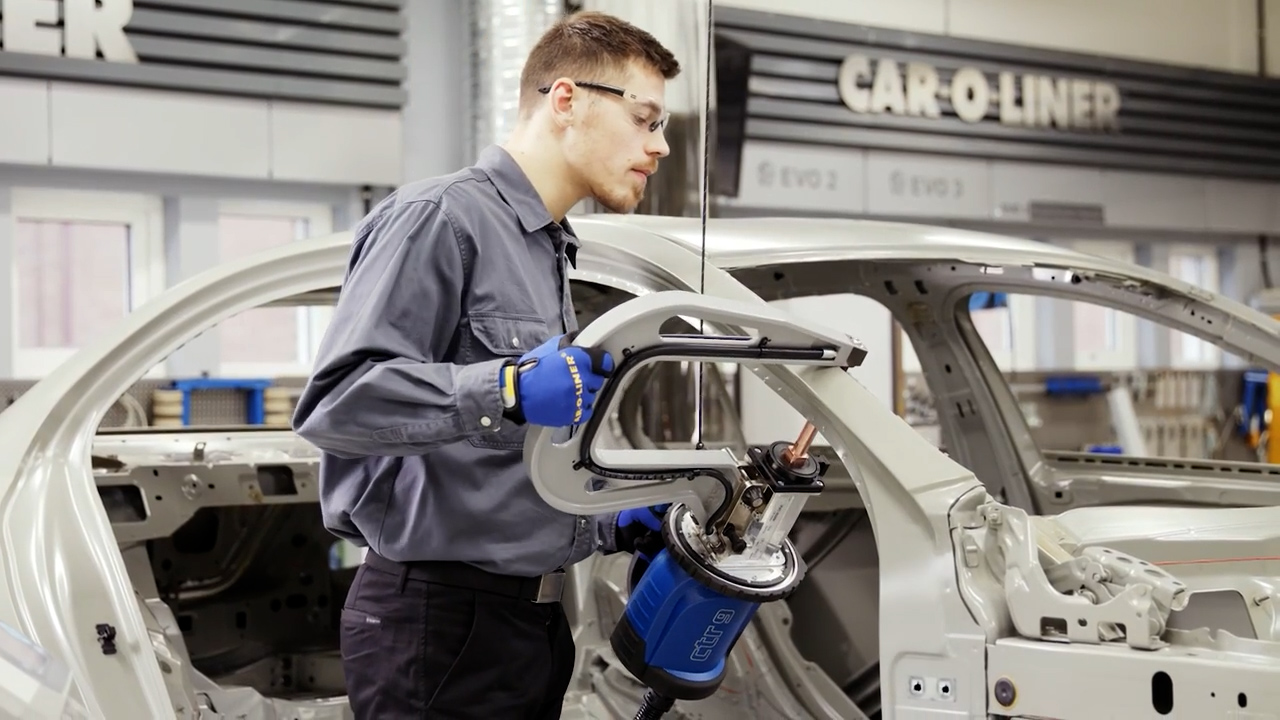
Insurers often steer claimants toward their “Direct Repair Program” (DRP) network shops to control labor and parts costs. State insurance statutes contain strict anti-steering regulations giving you the legal right to choose any licensed body repair shop.
Protect the resale value of your vehicle:
- Insist on OEM Parts: Insurers write preliminary estimates using aftermarket or salvage parts. Check your state insurance department’s rules on whether aftermarket parts are permitted on late-model vehicles.
- Demand Inherent Diminished Value: Even if your car is repaired to factory condition, an accident flag on a vehicle history report drops its trade-in and resale value by 10% to 25%. In most tort states, you are entitled to file an Inherent Diminished Value Claim against the at-fault carrier to recover that lost equity.
- Watch Total Loss Thresholds: If the estimated cost of repairs plus salvage value exceeds your state’s statutory total loss threshold (commonly 70% to 80% of Actual Cash Value), the vehicle will be totaled. If you are upside down on your loan, your GAP insurance will bridge the difference between the ACV payout and your remaining loan balance.
Reject Premature Settlement Offers
Do not accept a fast settlement check within days of the accident.
Insurers send quick settlement drafts with broad release language. Cashing that check closes your claim permanently. If hidden structural damage is discovered when the bumper is removed, or if soft-tissue pain develops into spinal radiculopathy, you cannot reopen the claim for supplemental payment.
5. When to Handle the Claim Yourself vs. Hiring an Attorney
Legal representation typically costs 33% to 40% of your gross financial settlement. Assess your situation objectively before retaining legal counsel.
Handle the Claim Yourself When:
- The accident involves property damage only, with zero physical injuries.
- The adverse carrier has formally accepted 100% liability in writing.
- Repair supplements, vehicle rentals, and tow fees are covered in full.
Retain an Attorney When:
- You suffered moderate, severe, or permanent injuries requiring imaging, physical therapy, or surgery.
- The crash occurred in a pure contributory negligence state (AL, MD, NC, VA, DC) and the adjuster is arguing you share partial fault.
- The at-fault driver carried state-minimum liability limits that fail to cover your medical costs and property damage.
- The collision involved a commercial truck, municipal fleet, or multiple vehicles with conflicting accounts.
Actionable Next Steps: Your Claim Checklist
- [ ] Order the Full Crash Report: Contact the records division of the investigating law enforcement agency 3 to 7 business days post-incident to purchase the finalized report.
- [ ] Notify Your Own Insurer: Report the crash to comply with your policy’s notice requirements. Confirm that you are not at fault and supply the other driver’s details and the police report number.
- [ ] Get an Independent Repair Estimate: Bring your car to a certified body shop of your choice rather than relying solely on the other insurer’s mobile photo app estimate.
- [ ] Track All Out-of-Pocket Expenses: Keep receipts for every ride-share, rental deposit, tow charge, child safety seat replacement, and damaged personal item.
- [ ] Track Medical Symptoms: If you feel stiffness, headaches, or tingling, see an occupational physician or urgent care clinic immediately to ensure a contemporaneous medical record exists.