
Does a Pop-Up Camper Need Insurance? State Laws, Towing Liabilities, and Accident Claim Realities
Does a pop up camper need insurance No state legally…
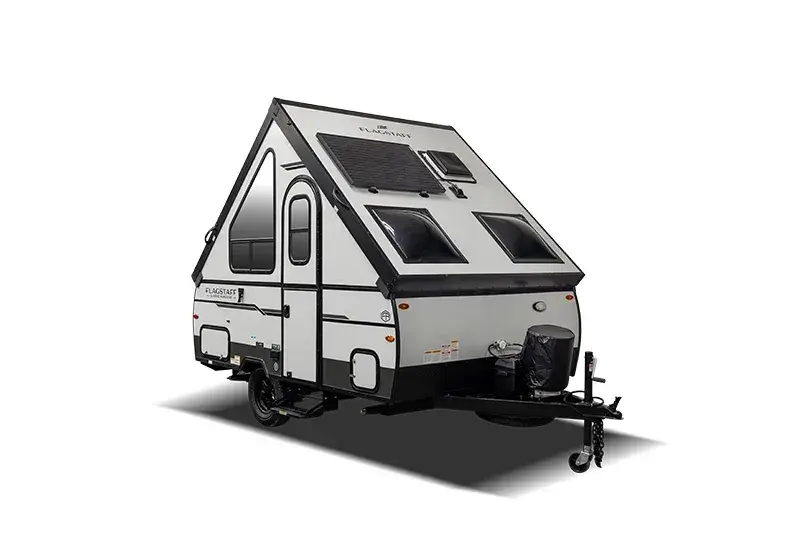
Table of Contents
Does a pop up camper need insurance No state legally requires you to carry standalone insurance to register or tow a pop-up camper on public roads. As long as your tow vehicle has an active auto liability policy, that coverage automatically extends behind your hitch to cover damage or bodily injury you cause to other drivers.
That legal minimum leaves your camper completely unprotected. Your personal auto policy does not pay a cent to repair or replace your pop-up camper if it flips, jackknifes, gets crushed by a fallen tree branch, or is totaled in an at-fault crash.
Understanding where tow vehicle coverage ends and where out-of-pocket loss begins requires looking directly at policy mechanics.
The Legal Baseline vs. Physical Damage Exposure
| Driving Scenario | Legal / Contractual Mandate | Policy Responsible | What It Covers | What It Excludes |
| Towing on public highways | Required by state law | Tow vehicle’s auto liability | Damage & injury caused to third parties | Any damage to your own truck or camper |
| Financed pop-up camper | Required by lender agreement | Standalone RV or trailer collision/comp policy | Physical damage to your camper (collateral) | Does not substitute for highway auto liability |
| Collision while towing (At-Fault) | None (Optional) | Trailer physical damage endorsement | Repairs, frame realignment, or total loss payout | Normal wear, road tear, or canvas dry-rot |
| Unhitched at a campsite | None (Optional) | Homeowners / Specialized RV liability | Slip-and-fall injuries on site | Collision damage during highway transit |
When Does a Pop Up Camper Need Insurance by Law?
Standard personal auto coverage follows the Insurance Services Office (ISO) Personal Auto Policy (PAP Form PP 00 01). Under standard policy definitions, “your covered auto” includes any trailer you own while designed for towing by a private passenger car, pickup, or van.
Coverage splits down the middle the moment the coupler drops onto the hitch ball:
- Part A (Liability) Extends Automatically: If your pop-up sways, clips an adjacent lane, or causes a multi-car pileup, your tow vehicle’s Bodily Injury and Property Damage liability shields you. It defends you against third-party lawsuits and pays their vehicle repairs and medical bills up to your policy limit.
- Part D (Damage to Your Auto) Stops at the Bumper: Collision and comprehensive coverages do not automatically transfer to an unlisted trailer. If you hit a patch of gravel and put the camper into a ditch, your carrier pays to fix your truck (minus your deductible), but denies the claim on the camper.
- The Hitch Boundary Rule: This automatic liability extension applies only while the camper is hitched or actively detached in a highway transit incident. The second you uncouple the hitch at a campsite, park in storage, or drop the tongue jack in your driveway, the vehicle policy’s liability extension terminates.
When Pop-Up Camper Insurance Is Mandatory
While unpowered trailer insurance is legally optional for highway transit, three scenarios make it mandatory:
1. Active Financing or Leasing
If an auto lender, credit union, or RV financing company holds the title, the contract mandates continuous Comprehensive and Collision coverage. Lenders require listing as the primary loss payee to protect their collateral. Dropping coverage triggers “force-placed insurance”—a costly, lender-purchased policy that covers only the loan balance and offers you zero liability or medical protection.
2. State Title & Registration Rules
Every state DMV requires you to title, pay excise fees on, and register a pop-up camper to obtain a trailer plate. However, financial responsibility statutes focus on motorized propulsion. At the DMV counter, showing valid insurance on the towing vehicle satisfies road-use registration. You do not need to present a separate trailer insurance card.
3. Peer-to-Peer Rentals (Outdoorsy, RVshare)
If you rent your camper out to generate extra cash, your personal auto policy offers zero protection. Personal auto contracts feature strict commercial use and livery exclusions. The instant you accept money from a renter, your personal liability umbrella and auto extensions drop out. You must confirm that commercial coverage is bound directly through the rental platform’s certified carrier for the rental window.
Collision Claims and Fault: Who Pays for the Damage?
When a towing accident occurs, adjusters must determine fault, evaluate hitch equipment, and assess whether property damage limits are high enough to cover both vehicles.
Scenario 1: You Cause the Crash
If you miscalculate braking distance or jackknife into another car:
- Your tow vehicle’s property damage liability pays out to the other driver.
- Repairs to your pop-up camper are entirely your financial responsibility unless you previously purchased an explicit Trailer Physical Damage Endorsement or a standalone RV collision policy.
Scenario 2: Another Driver Hits You (The Policy Limit Trap)
When an at-fault motorist rear-ends your pop-up, their third-party Property Damage (PD) liability covers the repairs to both your tow vehicle and the camper, plus the hitch assembly and cargo.
The problem is the state minimum property damage limit. While many states are raising statutory minimums, high-traffic states like Florida maintain minimums as low as $10,000, and several states remain between $15,000 and $25,000.
Consider this claim scenario:
- Truck frame and bumper damage: $14,500
- Totaled pop-up camper (ACV): $11,000
- Total property damage: $25,500
- At-fault driver’s state-minimum limit: $15,000
- Net uncovered shortfall: $10,500
Once the at-fault carrier pays out their $15,000 policy maximum, they release their insured from further direct liability claims. To recover the remaining $10,500, you must file a claim under your own collision policy (if your camper is covered) and allow your insurer to pursue the balance through subrogation, or file an Uninsured/Underinsured Motorist Property Damage (UMPD) claim. Note that multiple state insurance codes restrict UMPD explicitly to your primary motorized vehicle, barring payouts for unpowered trailers.
Scenario 3: Comparative Negligence in Towing Claims
Opposing insurance adjusters scrutinize towing accidents to assign partial liability to you under state comparative fault laws (such as the 51% modified comparative negligence rule used in Texas and Florida). Common adjuster arguments include:
- Exceeding Gross Vehicle Weight Rating (GVWR): Proving the tongue weight or combined cargo weight exceeded manufacturer limits, extending braking distances.
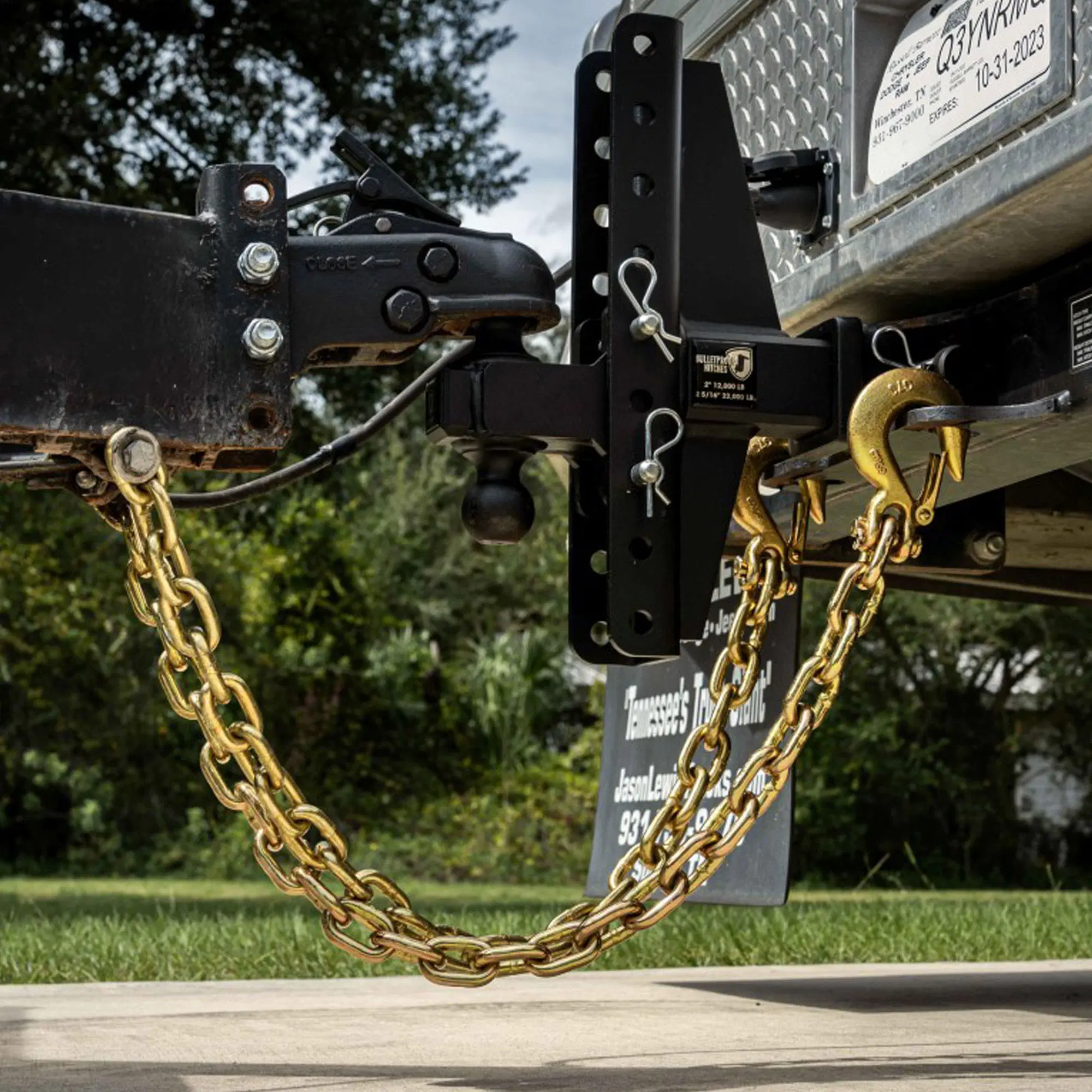
- Hitch Hardware Issues: Identifying uncertified drop hitches, non-functioning brake controllers, or improperly crossed safety chains.
- Breakaway Switch Failure: Demonstrating the emergency trailer brake pin battery was dead or disconnected, preventing the trailer from stopping independently when detached.
If an adjuster successfully pins 20% of the fault on you for improper setup, your total claim recovery drops by 20%. If they pin 51% on you in a modified comparative negligence state, your recovery is barred entirely.
Valuing the Loss: A-Frame vs. Canvas Total-Loss Disputes
If your pop-up camper is written off in an accident, getting a fair settlement check from an insurance company comes down to its construction type and how the policy defines value.
Construction Challenges in Repair Appraisals
- A-Frame (Hard-Sided): These rely on rigid composite or fiberglass panels. They handle roof load and impact better, but structural seam buckling or roof hinge binding can compromise structural integrity, leading adjusters to total the unit immediately.
- Traditional Soft-Sided (Canvas): Built on telescoping lifter posts, pulleys, and external vinyl/canvas. Even minor impacts can bend the frame, twist corner lift tracks, or rip seam threads. Because canvas repair requires labor-intensive panel replacements, repair estimates quickly pass the 70% to 80% total-loss threshold.
Actual Cash Value vs. Agreed Value
Standard auto trailer endorsements write checks based on Actual Cash Value (ACV)—which equals replacement cost minus steep depreciation.
Pop-up canvas, roof seals, and interior appliances depreciate quickly in the eyes of insurance valuation software like Mitchell or CCC ONE. An ACV settlement rarely covers the real-world cost to purchase an equivalent camper in good condition.
- Actual Cash Value (ACV): Depreciated market value right before crash. Always contested; deducts for age and canvas wear.
- Stated Amount: Caps insurer payout at a set limit, but carrier still pays the lower of ACV or cap.
- Agreed Value: Locks in guaranteed payout with no depreciation. Best protection for restored or late-model units.
If your insurer presents an ACV offer that ignores recent maintenance, new canvas installations, or current market comps, invoke the policy’s Appraisal Clause. This contractual right lets you hire an independent appraiser to contest the adjuster’s valuation without hiring an attorney.
What Do Homeowners and Renters Policies Actually Cover?
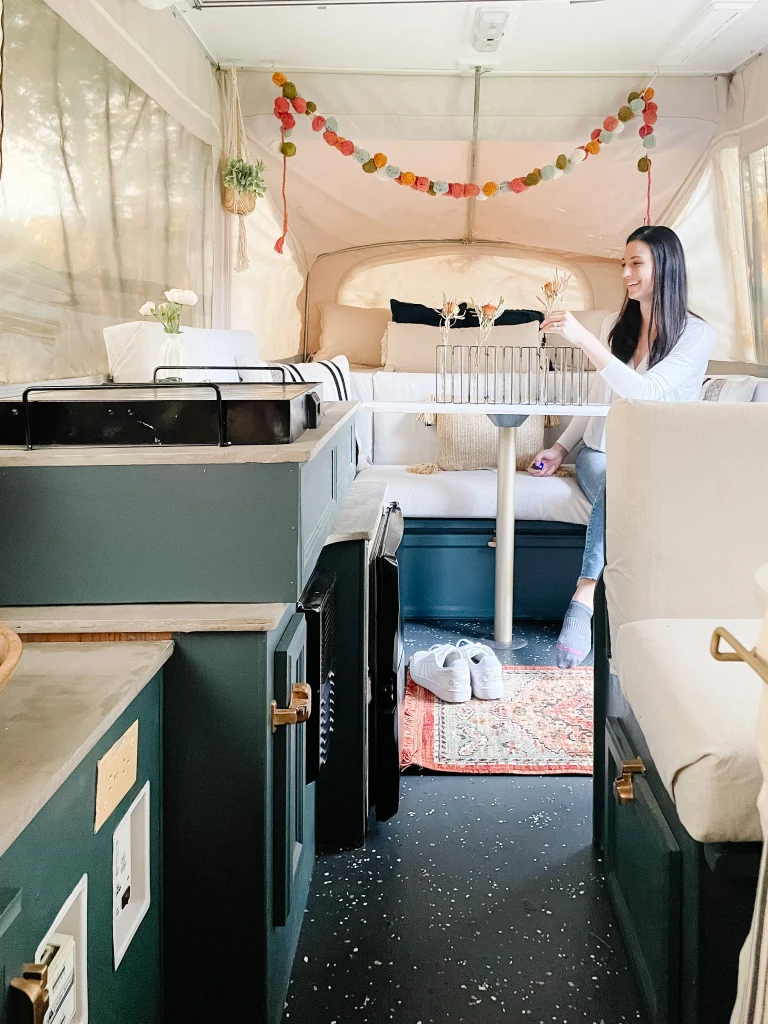
Property insurance does not replace vehicle physical damage coverage, but it does handle three specific items:
- No Structural Body Coverage: Homeowners and renters policies expressly exclude any motor vehicles and equipment designed for highway transit. If hail hammers the aluminum roof of your pop-up while parked in your driveway, your homeowners policy will not pay for the damage. You must carry comprehensive auto/RV coverage to cover weather losses.
- Personal Belongings (Coverage C): Camping equipment, electronics, stoves, and clothes kept inside the camper are covered under the personal property section of your home or renters policy. This coverage falls under off-premises protection, which often caps payouts at 10% of your total Coverage C limit and requires paying your standard home deductible.
- Campsite Premises Liability: When your pop-up is unhitched at an established campsite, it functions as a temporary residence. If a guest trips over your stabilizer jack, your primary auto liability policy provides no defense. The injury claim must go through your homeowners personal liability coverage or a dedicated “campsite liability” rider on an RV policy.
What happens if my pop-up camper detaches on the highway?
Your tow vehicle’s auto liability pays for the property damage and bodily injury your runaway camper inflicts on third parties. Physical damage to the detached camper itself is not covered unless you carry separate trailer collision coverage. If investigators prove the breakaway cable or safety chains were deliberately omitted, the carrier must still pay third parties up to policy limits, but they may drop your coverage at renewal.
Does GAP insurance cover a pop-up camper?
Your truck’s auto GAP insurance will not cover a towed pop-up. Auto GAP applies exclusively to the motorized vehicle named on that specific financing agreement. If you finance an expensive or hard-sided camper, you must purchase a separate RV GAP policy through the camper’s lender to cover the difference between an ACV total-loss settlement and your remaining loan principal.
Can an insurer deny coverage if my truck was overloaded?
Your auto liability policy will still defend you and pay third-party claims up to your policy limits, even if you were negligent regarding weight limits. Auto policies do not contain an exclusion for basic driver negligence or exceeding towing capacity. However, exceeding your vehicle’s Gross Combined Weight Rating (GCWR) will be used by opposing adjusters to establish comparative fault against you, and your insurer may deny optional collision coverage if they find evidence of intentional damage or material misrepresentation on your policy application.
The Pre-Trip Insurance Audit Checklist
Before hitching your pop-up camper, run through this three-step policy check:
- Verify Section A and Section D Language: Call your auto insurance agent and confirm that owned trailers are included under Part A (Liability) without requiring an added fee. Next, check if you have an active endorsement under Part D (Damage to Your Auto) to protect the camper’s actual cash value.
- Raise Your Property Damage Liability Limits: If your policy carries state-minimum limits (such as $15,000 or $25,000), increase your Property Damage limit to at least $100,000. Towing significantly increases vehicle mass and braking distance, which raises the risk of multi-car damage.
- Document Your Rig at the Hitch: Take clear, timestamped photos of your hitch setup on departure day: the coupler latch with safety pin installed, safety chains crossed underneath the tongue, the emergency breakaway cable securely routed to the truck frame (not the hitch ball), and illuminated trailer brake lights. If a crash occurs, these photos provide hard evidence to counter bad-faith comparative negligence claims.